




Tesla cars have a reputation of having high-level engineering and minimalist design, yet their tesla factory paint is well known in the automotive sector as being extremely thin and easily chipped. Consequently, wrapping has ceased to be a luxury of cosmetics to a mandatory asset protection layer to a significant number of owners. Nevertheless, understanding the true tesla wrap cost is essential, as the pricing system in the vehicle wrap business is very secretive.
This is a detailed guide that disaggregates the precise cost of wrapping, material variations, installation procedures, and non-obvious expenses of a Tesla in 2026. This data will equip you with the technical knowledge required to evaluate quotes from a vinyl wrap service, select the right materials, and avoid expensive post-installation liabilities.
Average Tesla Wrap Cost: A Complete 2026 Price Breakdown
When considering the quotations of automotive customization shops, it is important to distinguish between the material costs of the base and the labor and overhead costs. The national market base of a professional installation in 2026 will be divided into two categories depending on the main material:
- Full Vehicle Vinyl Wrap:$2,500 – $6,000
- Full Vehicle Paint Protection Film (PPF):$4,500 – $10,000+
These figures represent professional, warranty-backed installations. Quotes that are much lower than the price of $2,500 are usually a sign that unbranded materials or inexperienced workers are used, and this is a high risk to your vehicle’s paint job.
In order to calculate the cost of a quote properly, use the following standard cost calculation logic that is employed in professional shops:
Base Model Cost + Material Type Premium + Coverage Area (Full vs. Partial) + Pre-existing Paint Condition = Final Estimate
The ultimate price is also determined by location. The shops in high-cost-of-living regions like California or New York will be quoted at the upper end of these scales because of the increased overheads and labor costs of the facilities, and the shops in the Midwest or South will be closer to the bottom.
Wrap Prices by Model: 3, Y, S, X, Cybertruck
The baseline tesla wrap cost does not apply to the entire Tesla line. The overall price is very much dependent on the overall square area of the vehicle, the intricacy of the body panels, and the type of wrap and disassembly needed to ensure a smooth installation.
- Tesla Model 3 and Model Y: These are the most common vehicles in the modification market. Shops have extensive experience and standardized templates for these models. They require approximately 50 to 60 feet of material. The large number of installations and the comparatively flat panel design make the prices of these models fall at the lower end of the range.
- Tesla Model S: The Model S is a full-size sedan, which means that it needs more material than the Model 3. The rear quarter panels and the front fascia need to be stretched accurately. Anticipate a 10%-15% price premium on a Model 3.
- Tesla Model X: Model X has certain installation issues. The high surface area of the vehicle and the mechanical nature of the Falcon Wing doors demand more labor hours to be disassembled carefully and the edges wrapped with precision. This drives the cost of installation to the middle to high range of the price scale.
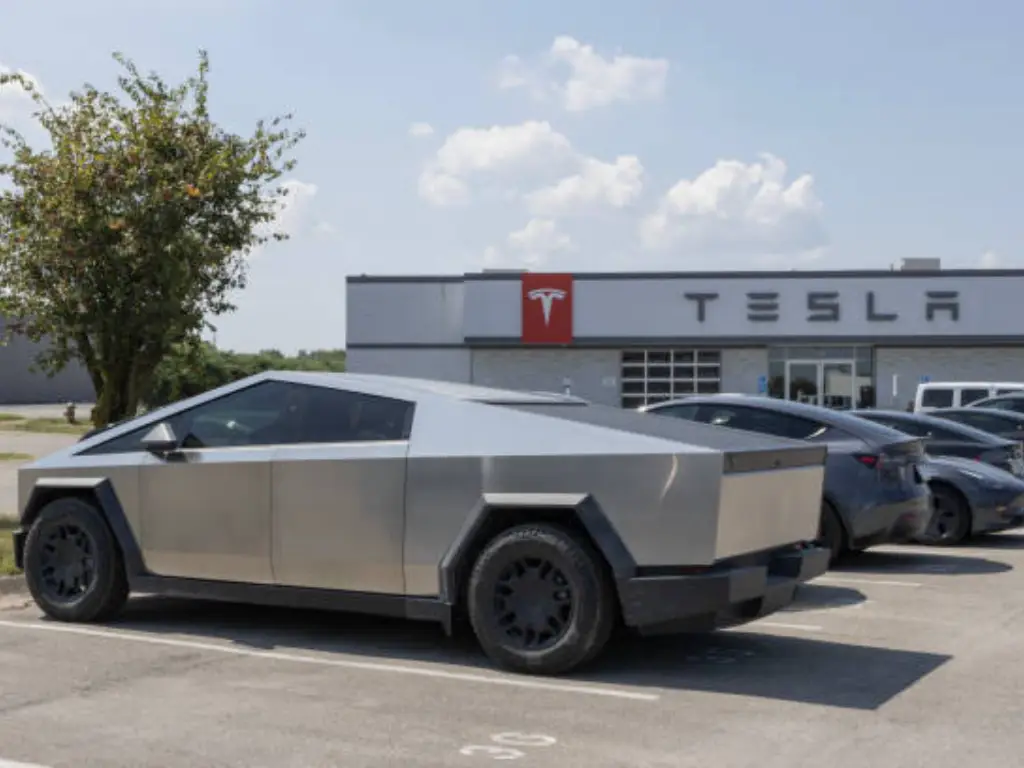
- Tesla Cybertruck: The Cybertruck needs an entirely new operating protocol. Although the flat panels appear to be easy, the exposed stainless steel body needs aggressive and specialized surface preparation. The regular isopropyl alcohol wipes are not enough; the stores should use industrial cleaning agents and special adhesion promoters so that the film attaches to the steel. The car also needs a huge 65 to 70 feet of material. As a result, wrapping cybertruck vehicles is priced higher, with the vinyl wraps beginning at $4,000 and the PPF wraps rapidly increasing in price.
Vinyl vs. PPF: Which Material Fits Your Budget?
The decision between a color change wrap and Paint Protection Film (PPF) dictates both your budget and your vehicle’s long-term defense against environmental factors.
Vinyl is a polyvinyl chloride (PVC) based film that is mainly used in changing aesthetics to color. It offers minimal protection against physical impacts. PPF is a polyurethane film that is designed to absorb road debris impact and self-heal micro-scratches.
| Feature | Color Change Vinyl Wrap | Paint Protection Film (PPF) |
| Primary Function | Aesthetic customization (Color/Finish) | Heavy-duty paint protection |
| Average Thickness | 3 to 4 mil | 8 to 10 mil |
| Self-Healing Properties | No | Yes (Heat activated) |
| Expected Lifespan | 3 to 5 years | 7 to 10+ years |
| Average Cost | $2,500 – $6,000 | $4,500 – $10,000+ |
The high price difference between the two materials is motivated by the quality of the vinyl and materials manufacturing, as well as the number of labor hours. An average Tesla Model Y takes 30 to 40 labor hours to install a full wrap of PPF. PPF is two times thicker than vinyl and must be applied in a complex process called wet application that involves slip solutions and tack solutions. Installers should also squeegee all the moisture and stretch the thick polyurethane around the edges without distorting it. This involves very specialized technicians, which makes the labor very expensive as opposed to the “dry application” of standard vinyl.
Why ClearPro PPF is the Ultimate Tesla Investment
In the case of PPF, the ROI in the long-term depends on the technicalities of the film. ClearPro is a direct manufacturer, not a re-brander, with a 3,000-square-meter Class 1000 cleanroom (electronic and medical grade) that is used to manufacture high-performance automotive films. This is a strict manufacturing environment that guarantees strict compliance with the IATF 16949 automotive quality management system.
The proprietary Polyoptico™ cross-linked polymer coating of ClearPro creates an unquestionable technical edge in the high-end car wrap market:
- Unmatched Optical Clarity: ClearPro delivers a 60° gloss level of 95 GU (12–15 GU higher than standard PPF) and a haze level of <0.9%, ensuring gloss finishes look deeper. This is backed by an industry-exclusive “zero orange peel” guarantee, with a surface roughness of Ra ≤0.05 µm verified under 500x magnification.
- Extreme Durability & Hydrophobics: The film protects against uv rays and harsh chemicals, maintaining a hydrophobic water contact angle of ≥105° even after 2,000 hours of xenon lamp aging. It features a non-yellowing rating of ΔE<1.0 after 5,000 hours of UVB exposure, ensuring absolute transparency.
- Advanced Self-Healing: The coating heals >15 µm deep scratches in 30 seconds at 80°C. Lab testing proves that the self-healing efficiency is still over 90% after 10,000 cycles.
- Proven Reliability: ClearPro provides a 10-year electronic warranty covering yellowing, cracking, fading, and bubbling. The stability of the film is confirmed by 50,000 km of severe global testing on the road in the Middle East (50°C) and Northern Europe (-30 C). To Tesla owners who want to have the ultimate protection and optical clarity, ClearPro takes the high-end PPF as a marketing idea and transforms it into data that can be verified and tested by third parties.

Partial Wraps and Chrome Delete: Budget-Friendly Alternatives
Partial wraps are a very useful downgrade option to owners who desire customization or protection but cannot afford to spend $5,000. Partial installations are aimed at high impact or high visibility locations.
- Front-End PPF: Protecting only the front bumper, hood, fenders, and mirrors (the highest impact zones) typically costs $1,500 – $2,500.
- Roof and Hood Vinyl: Having the hood or the roof wrapped in a different color (such as matte black) costs between $280 and $500.
- Chrome Delete: In older Model S and Model X models, which have factory chrome trims, wrapping these particular parts in a black vinyl wrap makes the vehicle look more modern. The average cost is about $1200.
- Headlight and Taillight Tinting: Applying protective, tinted film to the lighting housings ranges from $150 – $300.
- Interior Center Console: Coating the shiny center console to avoid fingerprints and scratches will cost between $100 and $250.
2026 Tesla Wrap Color Trends and Special Material Fees
The Tesla wrap aesthetic market has moved to high-end, low-key finishes in 2026. The most demanded colors are Glacier Blue, Forest Green, Nardo Grey, and Rose Gold. Matte and satin finishes are still very popular as they emphasize the sharp body lines of the cars, and many owners are now opting for custom designs to ensure their vehicle stands out.
When requesting a quote, it is necessary to mention that special material textures such as metallic wraps are very expensive due to the cost of production and the complexity of installation.
- Forged Carbon Fiber and True Carbon Fiber Textures: Add $500 – $800.
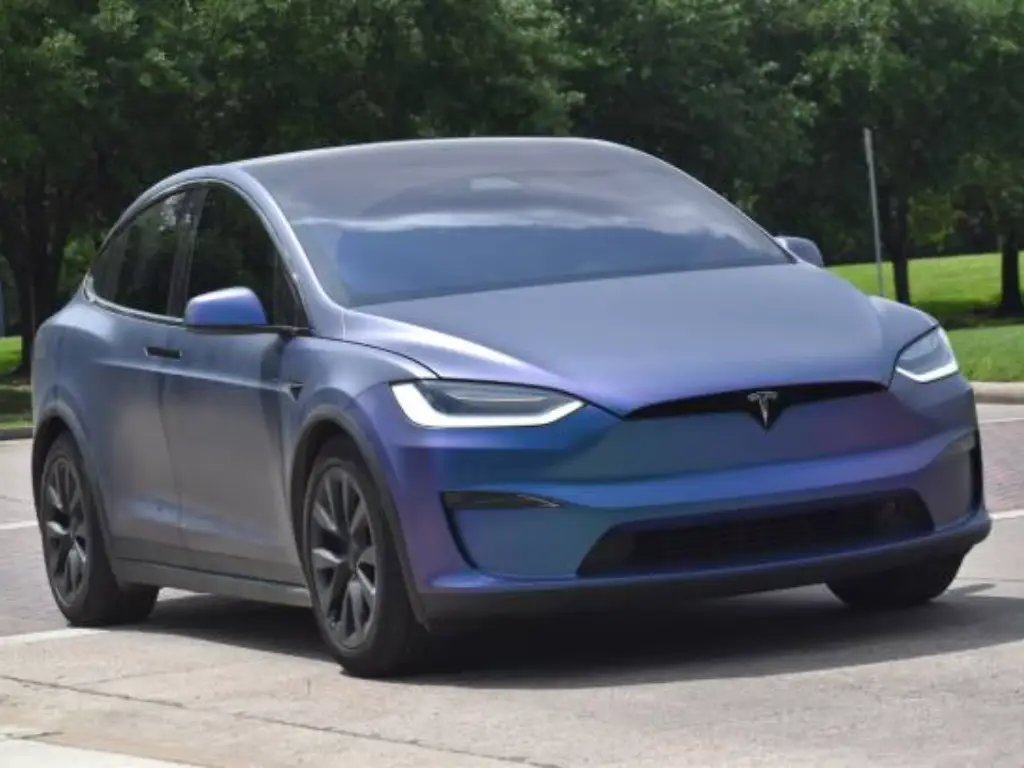
- Color-Shifting (Chameleon) Films: Add $600 – $1,000.
- Chrome and Liquid Metal Finishes: Add $1,000 – $1,500. Chrome films are infamously inflexible, unforgiving and demand very high heat regulation during installation to avoid burning or cracking the material.
Hidden Costs: Removal Fees and Paint Correction Explained
The inability to take into account the hidden costs of surface preparation and the removal of the film is one of the largest errors of first-time buyers.
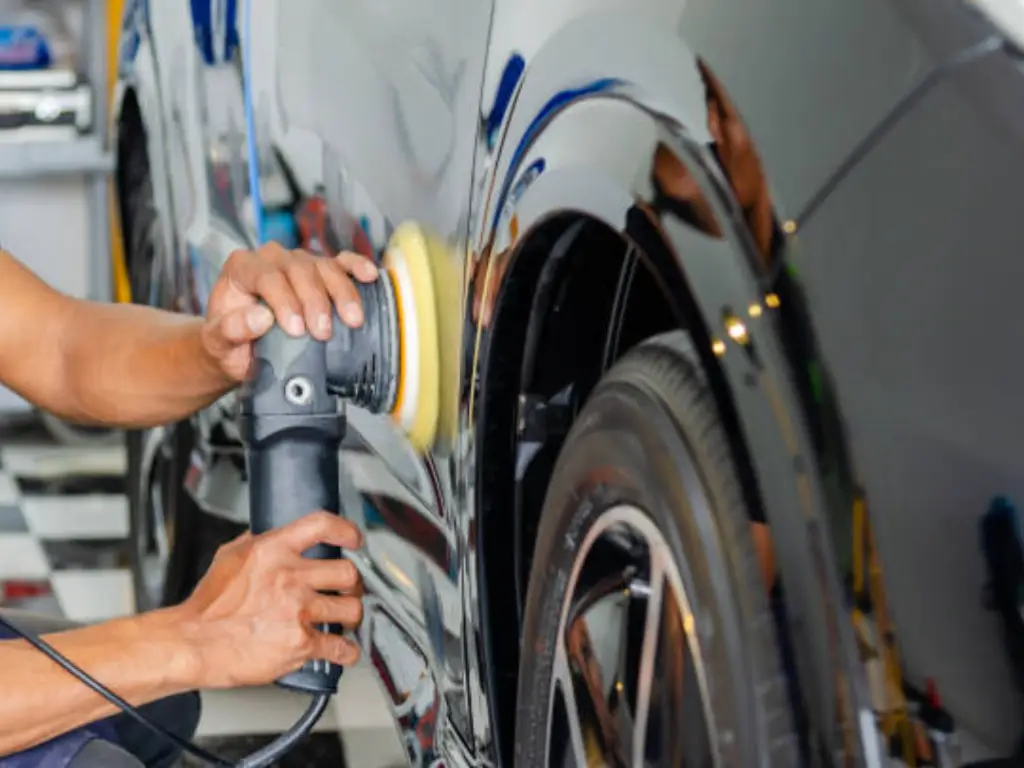
Paint Correction Before Wrapping: Vinyl and PPF do not hide existing paint damage; they magnify it. The shop will have to perform a paint correction (machine polishing and compounding) and apply the film in case of swirl marks, hard water stains, and rock chips on your Tesla. It is a mandatory surface preparation that adds $300 – $800 to the original invoice.
Removal Fees and Paint Damage:
Vinyl wraps have a life span of 3-5 years. This time is followed by the material beginning to bake into the clear coat. The cost of professional removal is between $500 and $1500. With a cheap, low-quality vinyl, the adhesive residue is likely to be permanently bonded to the thin factory clear coat of Tesla and you will have to repaint it at thousands of dollars.
The DIY Trap:
The proposal to save on labor by doing diy wrapping is a risky one. Whereas the cost of purchasing raw vinyl is cheap at only $500 – $800, the cost of trial and error is harsh. Handling by inexperienced people results in over-stretching, bubbles, wrinkles, and knife cuts straight into the paint of the vehicle, often requiring extra vinyl to fix mistakes.
Insurance, DMV, and Sensors: Legal and Technical Risks
Modifying a Tesla involves strict legal compliance and technical risk management due to the vehicle’s advanced hardware.
Legal and DMV Compliance:
In most jurisdictions, when you alter the primary color of your Tesla with a vinyl wrap, you must legally report the change to the Department of Motor Vehicles (DMV) and change your vehicle registration.
Insurance Liability:
You must declare the wrap to your insurance provider as an aftermarket modification rather than a permanent paint job. When there is a collision and the wrap is not covered in your policy, the insurance company will only cover the cost of repairing the factory paint and you will be required to pay to re- wrap the panels that have been replaced.
Technical Sensor Risks:
Teslas are also highly dependent on third-party hardware to support Autopilot and Full Self-Driving (FSD). When an installer wraps parking sensors without the correct cutouts, or when the metallic compounds in the film disrupt ultrasonic frequencies, the computer in the vehicle will cause the vehicle to constantly display error codes and turn off the autonomous driving capabilities. Furthermore, inexperienced installers risk slicing through wiring harnesses or scratching camera lenses during the trimming process. Always verify that your chosen facility has specific, documented experience disassembling and wrapping Tesla vehicles.
Final Verdict: Is Wrapping Your Tesla Actually Worth It?
In terms of strict asset management, managing your tesla wrap cost early on is a good operational choice. Although the standard vinyl offers a massive visual impact and aesthetic improvement, the high-quality PPF will preserve the original paint of the vehicle, avoiding rock chips, UV damage, and chemical etching. This conservation is directly proportional to an increased resale value when you choose to upgrade your car. Moreover, hydrophobic features of high-quality films will remove the necessity of waxing and will save a lot of time on regular maintenance.
Ready to protect your Tesla with industry-leading clarity and proven durability? Visit ClearPro to find a certified installer near you and secure your vehicle’s long-term value.

 EN
EN  ES
ES  FR
FR  AR
AR