


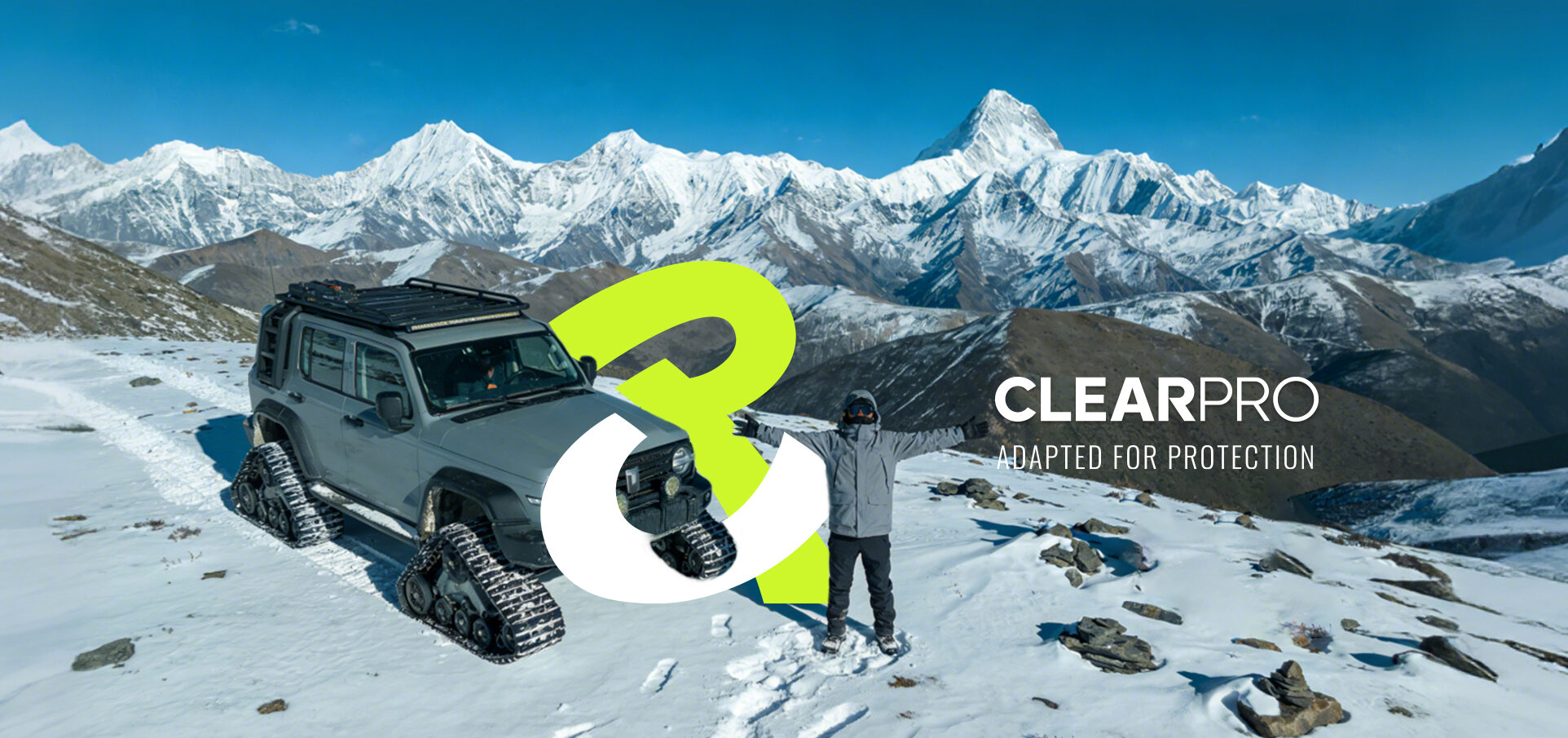


The automotive aftermarket has long been a trade-off of either transparent, sacrificial film to protect or a fragile vinyl wrap to be colored. You could not have both. That era is over.
Color ppf (Colored Paint Protection Film) has developed a new category, a hybrid product that combines the strength, self-healing properties of polyurethane with the rich, glossy appearance of a customized appearance.
However, this high-tech feature is expensive. The search query paint protection film cost is a result of a mind that is in conflict between the desire and financial reality. It is not only a matter of price, but also of value. This guide is your answer. We will break down the prices that exist in the real world, the forces that cause it, the war on vinyl, and the real price of ownership in the long run. You will not only know the price by the end, but you will know the value.
How Much Does Colored PPF Cost? (Real-World Prices)
Let’s address the central question immediately. The price for a professional, high-quality colored ppf wrap installation is significant, reflecting the cost of the advanced material and the high-level artisan skill required for a flawless finish.
The “all-in” price for a complete vehicle wrap in a premium colored PPF typically ranges from $5,000 to $10,000+ USD.
This is a wide range, so a more detailed breakdown is necessary. Prices are dictated by the surface area of a vehicle, the complexity of its body panels, and the time required for installation.
Here are the most common real-world price estimates you can expect from a reputable, certified installer:
| Vehicle Type | Average Price Range (Full Vehicle) | Key Considerations |
| Standard Sedan / Coupe (e.g., Tesla Model 3, BMW 3-Series) | $5,500 – $7,500 | Fewer complex curves, standard surface area. |
| Full-Size SUV / Truck (e.g., Escalade, Ford F-150) | $7,000 – $9,500 | These larger vehicles require more material. Large panels can be tricky, often needing a full page of film for a hood or roof. |
| Sports Car / Exotic (e.g., Porsche 911, Lamborghini) | $8,000 – $12,000+ | Extreme complexity. Vents, wings, and deep aerodynamic channels demand master-level skill. |
| Partial Front Coverage (e.g., Front Bumper Only) | $2,000 – $3,000 | A full front is common for clear PPF, but partial front applications create a two-tone car. |
These prices should include all material, comprehensive labor (including a multi-stage paint decontamination and preparation), and manufacturer-backed comprehensive warranties (often 10-12 years) on the film itself. If a quote seems too good to be true—for instance, $3,500 for a full car—it is almost certainly a sign of an inferior film, an inexperienced installer, or both.
Key Factors That Determine Your Final Quote
The $5,000+ difference between a sedan and an exotic car isn’t arbitrary. When a professional shop provides a quote, they estimate four main determining factors.
- Vehicle Size and Complexity
This is the most apparent factor. A Cadillac Escalade just needs a lot more material in terms of square feet than a Mazda Miata. However, complexity can be more effective than sheer size. A Tesla Cybertruck, with its massive, flat-plane surfaces, can be wrapped (and, therefore, cheaper in labor) than a Porsche 911 Targa, which is covered in compound curves, inlets, and retractable components that have to be carefully wrapped, tucked, and finished. Each bumper vent, vicious spoiler, and harsh body crease is an hour to the task.
- Skill and Certification of Installer
This is the most important variable. PPF installation is an art, not a product. It is not labor you are buying, but artistry. An elite installer will take 40-60 or more hours on one vehicle. This involves a day of prep—washing, clay barring and chemical decontaminating the paint to give a perfect bonding surface.
The finish depends on the skill of the installer. Will there be edges wrapped around the panel to give a seamless and invisible appearance? Or will the film be trimmed to the brim, and leave a noticeable mark that will ultimately rise and gather dust? A certified master installer is an investment in perfection and his or her labor rates are a reflection of this.
- Geographic Location
Local pricing is determined by business overhead. A high-tech, climate-controlled, dust-free installation bay in Los Angeles or Miami will be rented and labored at significantly higher rates than a shop in a smaller city in the midwestern United States. The cost of the film is fixed, but labor rates may vary the final price by 15-20%.
- The Brand of Film and Technology
Not all ppf films are created equal. The industry is flooded with generic, low-budget films that appear to work a couple of months and then collapse. These might offer a simple matte finish or basic metallic finishes, but they lack durability. Specialty films, like textured carbon fiber PPF, also have their own cost structure. Established brands (which we will discuss later) spend a lot of money on research and development to come up with films that are truly hydrophobic, highly stain resistant, optically brilliant and have self-healing top coats that are reliable. The installer just pays a higher price in terms of a premium film roll and that price is included in your quote.
Colored PPF vs. Vinyl Wrap: The True Cost Battle
This is the central conflict for most prospective buyers. Why pay $7,000 for colored PPF when a vinyl wrap can be had for $3,000?
The answer is simple: They are not the same product. They are made of different materials, serve different purposes, and have vastly different lifespans.
- Vinyl Wrap: A (typically) PVC-based (Polyvinyl Chloride) film. Its primary purpose is aesthetic. It offers negligible protection against physical impacts like rock chips and will not self-heal.
- Colored PPF: A (typically) TPU-based (Thermoplastic Polyurethane) film. Its primary purpose is protection. The color is an added feature. It is thick, durable, absorbs impacts, and its top coat (a robust layer of protection) is engineered to self-heal from minor scratches.
This material difference is the source of every other performance gap between high quality wraps (referring to premium PPF) and standard vinyl.
| Feature | Vinyl Wrap | Colored PPF |
| Primary Material | PVC (Polyvinyl Chloride) | TPU (Thermoplastic Polyurethane) |
| Primary Purpose | Aesthetics / Color Change | Protection + Aesthetics |
| Average Cost | $2,500 – $4,500 | $5,500 – $10,000+ |
| Thickness | 2-4 mils | 7-10 mils |
| Rock Chip Protection | Very Low. Will tear or puncture. | Excellent. Absorbs and dissipates impact. |
| Self-Healing | No. Scratches are permanent. | Yes. Scratches vanish with heat (sun, engine, heat gun). |
| Average Lifespan | 3-5 Years (color can fade, film can crack from UV damage) | 7-12 Years (color-stable, warrantied against UV rays) |
| Finish | Good to Great. Can have “orange peel” texture. | Excellent. Deep gloss, often superior to factory paint. |
| Removal | Can be difficult after 5+ years. May pull original paintwork or leave residue. | Clean, simple removal within warranty period. |
A vinyl wrap is a temporary cosmetic choice. A colored PPF is a long-term protective and aesthetic upgrade. The vinyl wrap sits on the paint; the PPF protects it, preserving the original paint color.
Beyond the Sticker Price: Calculating Long-Term Value
The initial cost analysis is deceptive. In order to know the actual financial situation, you need to compute the Total Cost of Ownership (TCO) during the planned life of the vehicle, often over a longer period.
Suppose you intend to retain your new automobile over a period of 10-12 years.
Scenario A: The Vinyl Wrap Route
You select a premium quality vinyl wrap at a cost of $3,500. It looks fantastic. However, 4 years of sun, highway driving and bird droppings have started to take their toll, it has started to fade and peel at the edges, and is pockmarked with little tears created by road debris.
- Year 4: You spend $3,500 to have the old wrap taken off and a new one put on.
- Year 8: You repeat the process. $3,500 once more.
- Total 10-Year Cost: $10,500
This calculation, which highlights the poor manageability of ongoing costs for vinyl, also ignores a critical risk: each time an old, baked-on vinyl wrap is peeled off, it is possible that it will take the clear coat (or even paint) with it, particularly on resprayed panels. Moreover, your original paint under the vinyl has been piling up rock chips and scratches which the vinyl was too thin to prevent.
Scenario B: The Colored PPF Route
You select a high quality colored PPF (such as STEK, Kavaca, or ClearPro) at $7,000. This higher investment is installed with a 10-year warranty against yellowing, fading and cracking.
The film cures itself of swirls and light scratches in 10 years. It absorbs rock chips. It resists stains. It only needs frequent washing.
- Total 10-Year Cost: $7,000
In 10 years, not only have you saved money to the tune of $3,500… When you take off the film, the factory paint below is in a showroom in good condition. This enhances the market appeal and resale value of the vehicle tremendously to the tune of thousands more to your side of the ledger.
Regarding TCO, the more costly colored PPF is, by all means, the less costly and smarter financial choice in the case of a resale for any long-term owner. The immense value comes from durability and paint preservation. While there are few upfront financial incentives for choosing PPF, the savings in the longer run are clear.
What Are You Paying For? The Tech Inside Quality Film
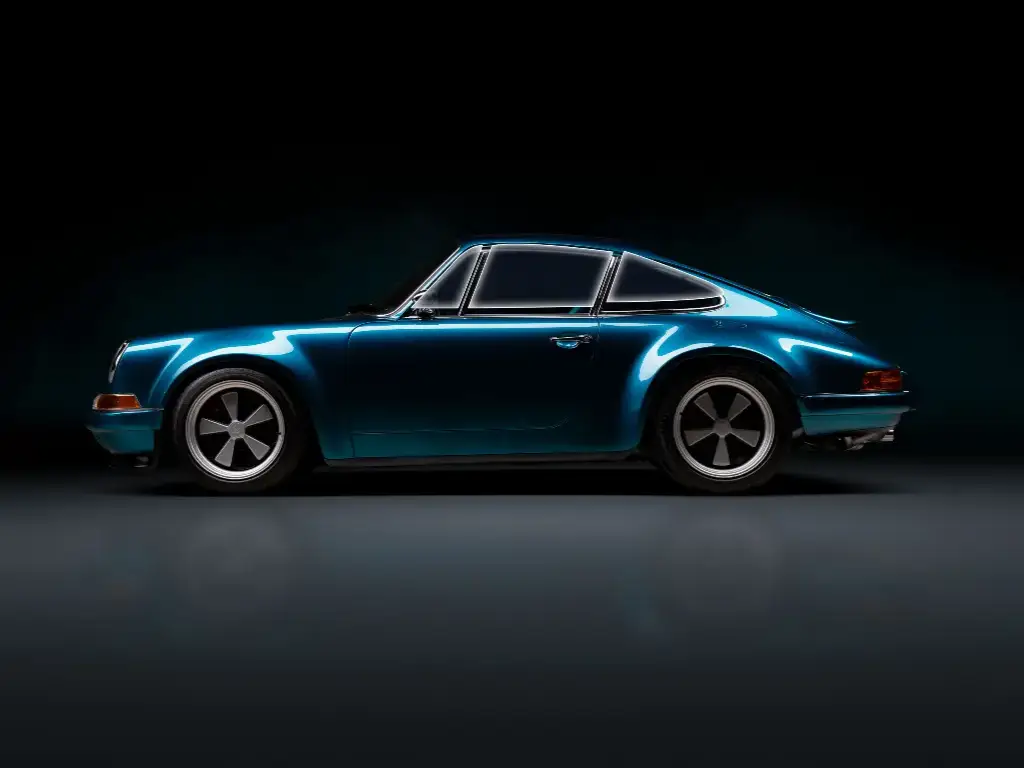
You have not only paid $7,000 to install a colored PPF when you do so, but you are not buying a sheet of colored plastic. You are buying a multi-layered, multi-chemical-engineered composite that took years of research in the field of material science to develop.
These higher quality films are a technological “sandwich” of separate layers:
- The Release Liner: This is the backing paper that is peeled off.
- The Adhesive: An acrylic adhesive that is pressure-sensitive, high grade and optically transparent, strong enough to be used over a period of ten years and yet designed to be removed without destroying paint.
- Polyurethane (TPU) Substrate: This is the core of the film. This elastic material is a dense, soft and incredibly tough polymer that makes the film look like it is colored and more importantly, absorbs impact that protects it.
- The Top Coat: Here is the magic and the money. It is not just a clear coat, but a complicated, self-healing polymer coating. The polymers are pushed aside when scratched. The polymer chains rearrange to their smooth form when heat is applied (to the sun, engine heat, or even a simple heat gun), and the scratch disappears. This layer also offers the hydrophobic (water-shedding) and oleophobic (oil-repelling) characteristics, which withstand environmental stains from environmental elements. This built-in property is often more durable than a standalone ceramic coating applied on top.
The price is dictated by the research and development that has gone into the perfection of these layers. In the case of ClearPro, our films are made using a multi-layer construction and hydrophobic top-coat which is proprietary. This guarantees the richness of color and good looks without degradation and high protection—this is the technology that the less expensive ones do not offer.
It is this R&D that makes a 10-year warranted film different than a 3-year product. It is the contrast between a smooth finish that can be compared to the best paint, and a rough appearance of an “orange peel.” It is the distinction between a film that cures 99 per cent of swirls and one that scratches and remains scratched. You are paying the chemical engineering that gives you the real, long-lasting and warranted performance against environmental damage.
[Discover the ClearPro Colored PPF collection and see this technology in every color.]
Is Colored PPF the Right Choice for Your Car?
Despite its clear advantages, colored PPF is not the correct choice for everyone. The decision depends on your budget, your ownership timeline, and your goals as one of many vehicle owners.
YES, it is the ideal choice if you are:
- The New Car Owner: You have just purchased a new vehicle (especially a high-value one like a Tesla, Porsche, BMW M, or Corvette) and want to both change its color and preserve its factory-perfect paint for resale.
- The Enthusiast / Perfectionist: You want the ultimate “best-of-both-worlds” solution. You demand deep gloss, paint-like finish, and the peace of mind that comes from industry-leading protection. For those seeking greater expression of their personal style, this is a great avenue.
- The Long-Term Owner: As demonstrated by the TCO calculation, if you plan to keep your car for 5+ years, colored PPF is the more financially sound investment. It is an excellent means to protect the exterior of your car for a decade or more.
NO, it is likely not the right choice if you are:
- The Short-Term Lessee: If you are leasing a car for 2-3 years, a $7,000 investment makes little financial sense. A less expensive vinyl wrap is a much more logical way to customize a temporary vehicle.
- The Budget-Conscious Owner: If your primary goal is just a color change and the $5,000+ price tag is simply not feasible, a quality vinyl wrap from a good installer is a perfectly valid alternative, as long as you understand its protective limitations.
- The Owner of an Older Vehicle (with paint damage): PPF is designed to protect good paint. It will not fix or hide failing clear coats, deep scratches, or rust. These issues must be professionally repaired before any film can be applied.
Finding a Certified Installer for Your Investment

We should conclude on the most important point. The most sophisticated film in the world is useless when it is installed in a bad way.
An inexperienced or cheap installer can have a nightmare. You will have visible seam lines, edges that raise and trap dirt in weeks, razor blade cuts in your real paint through poor trimming, and bubbles under the film.
You are not investing in the film, but in the installation. We, being a manufacturer, understand that the performance of the film is solely on the skill of the installer. That is why, at ClearPro, we spend much money on our partners, offering them full-scale professional training of installers, sales assistance and computer-cutting services. We do not merely sell film, we certify artisans who can make it good.
When reviewing your selection results for installers, insist on viewing:
- Certification by the manufacturer: Have they been trained and certified by the brand of film they are selling? An example of a ClearPro Certified Installer has gone through our intensive training program, so you can be sure that your investment is in the hands of a professional. This is non-negotiable.
- Portfolio of Like Cars: Request them to show you their finished work, particularly on vehicles such as yours.
- Clean, Special Bay: The installation space should be clinically clean, bright, and climate-controlled. Whatever dust there is in the air will be on your film. A professional setup goes a long way to ensuring a perfect finish.
- A Warranty on Labor: The manufacturer (as in the case of ClearPro) guarantees that the film is free of defects, such as failing under harsh weather conditions, but the shop guarantees their labor is free of installation mistakes such as lifting and peeling.
Do not buy on the cheapest price. Shop for the best installer. A $7,000 flawless job is an asset. A bad job of $5,000 dollars is a liability of $5,000 dollars that will cost more to rectify. A flawless job also means less maintenance. A premium top coat is easier to clean, saving you less time, requiring fewer cleaning supplies, and needing only gentle washing—no heavy elbow grease.
Finally, while the cost of a ppf wrap is high, colored PPF is an investment. It is the one product on earth that can turn your car any color you want and at the same time ensure that your original paint is in archival state. It is not cheap yet the owner who knows the real cost of ownership and wants the best of both worlds has no other option.

 EN
EN  ES
ES  FR
FR  AR
AR